Independent Hidden Folks fan site
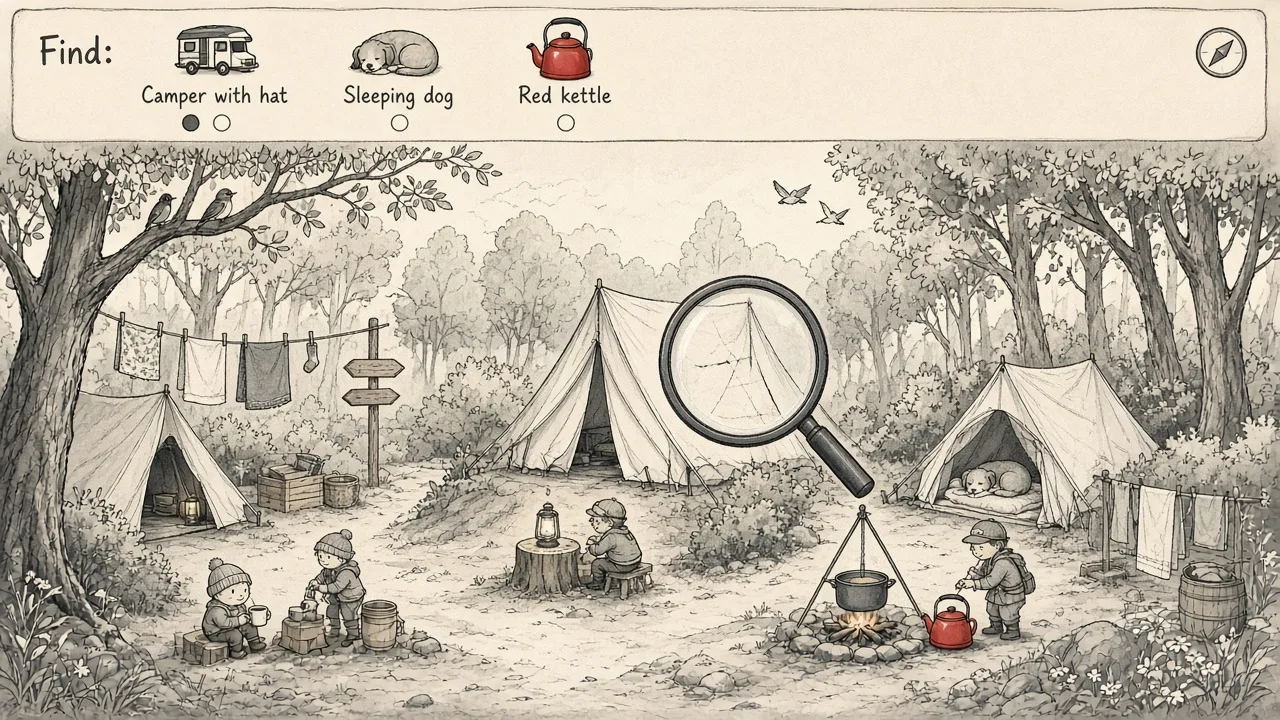
Find the tiny folk hiding in the drawing.
Little Lookout helps you explore Hidden Folks: pan across ink-drawn locations, follow the find list, spot characters and objects, and notice the small taps that wake laundry lines, animals, and props.
Hand-drawn map scenes
Locations built for patient searching
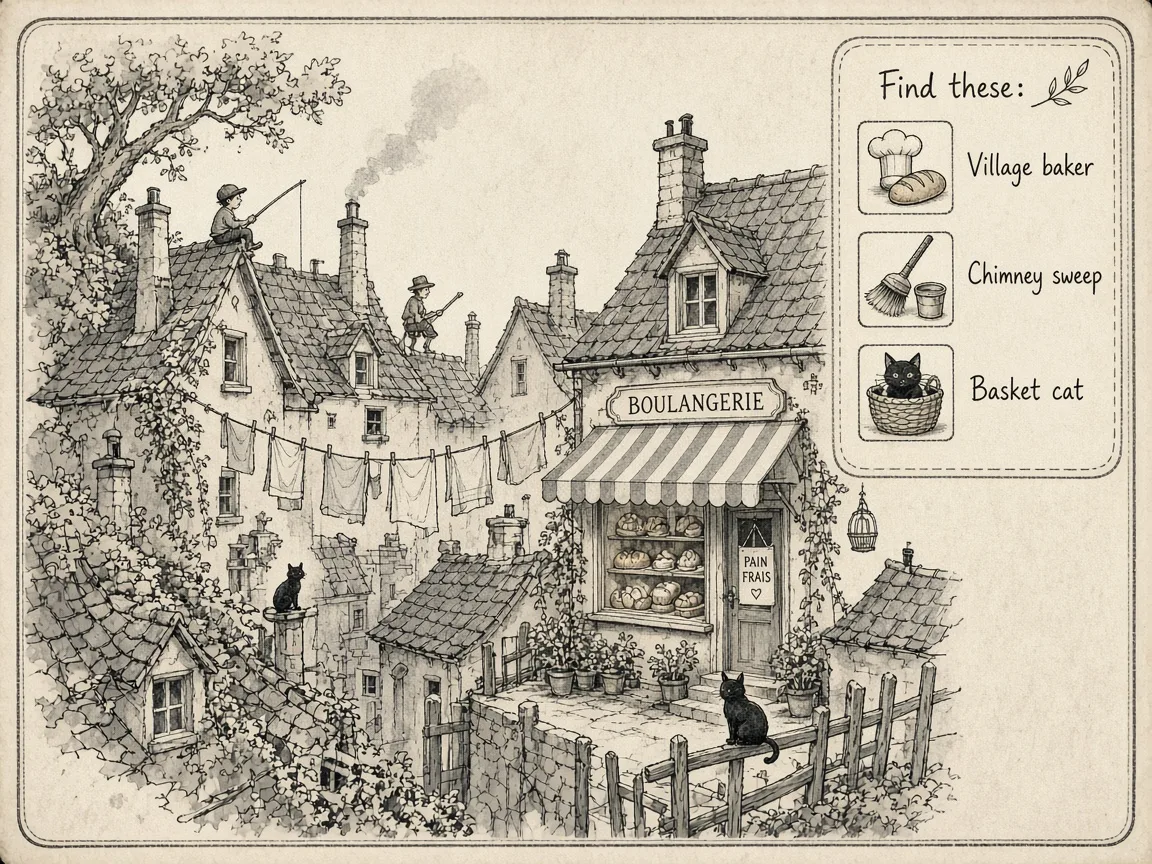
Hillside village streets
Rooftops, chimneys, and bakery windows hide folk in the ink. Start with height, laundry lines, and shop clutter before you zoom into doorways.
Open village notes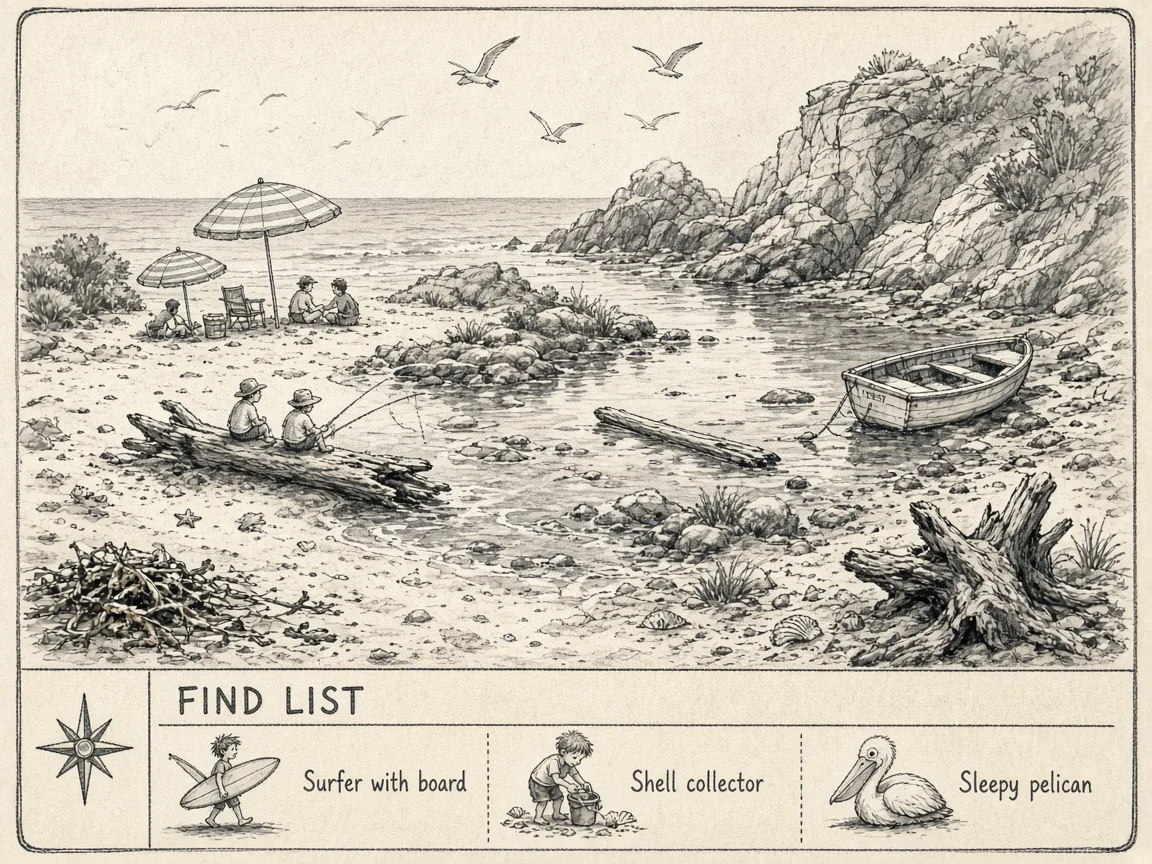
Tide-pool shoreline
Umbrellas, boats, and tide rings make soft silhouettes. Sweep the horizon first, then zoom into foam, driftwood, and rock pools.
See search habits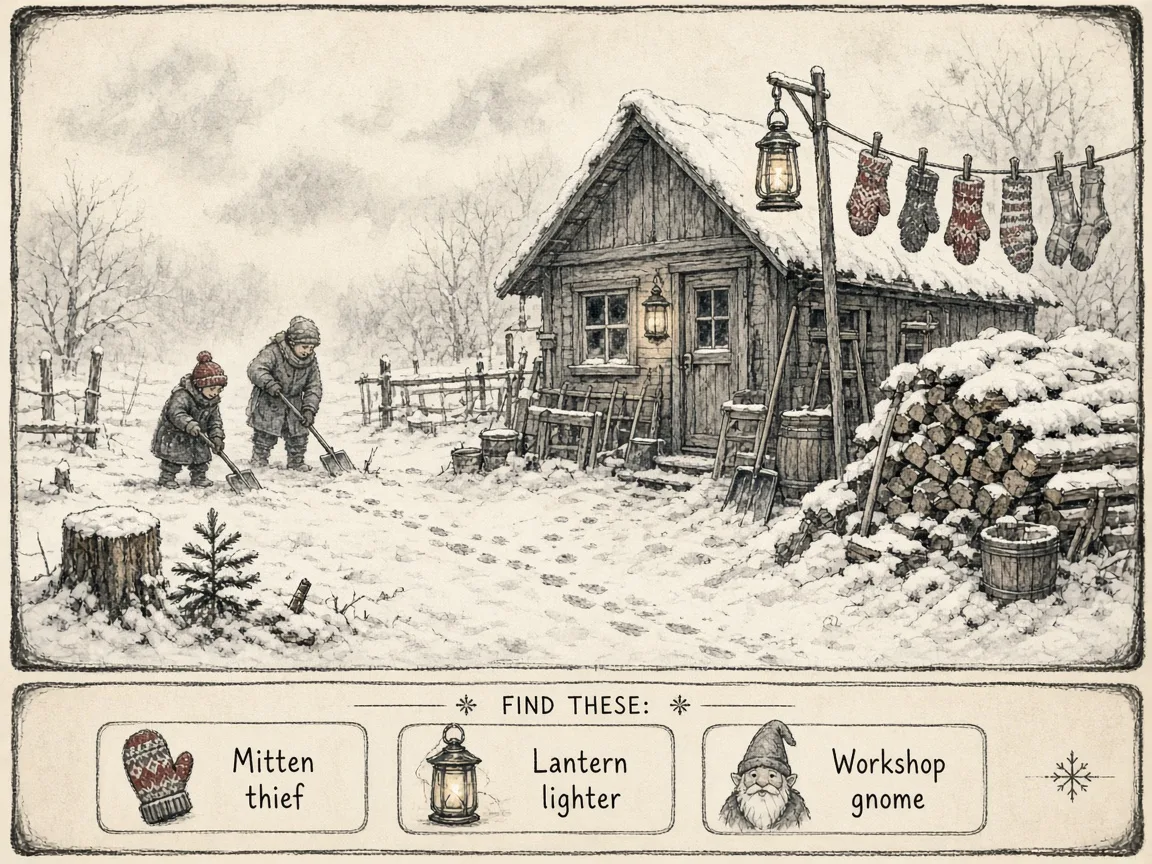
Snowbound workshop
Footprints, mittens, and lantern light break the white field. Use weather detail as a clue — and ignore it when it is only texture.
View lookout tipsFan site feature routes
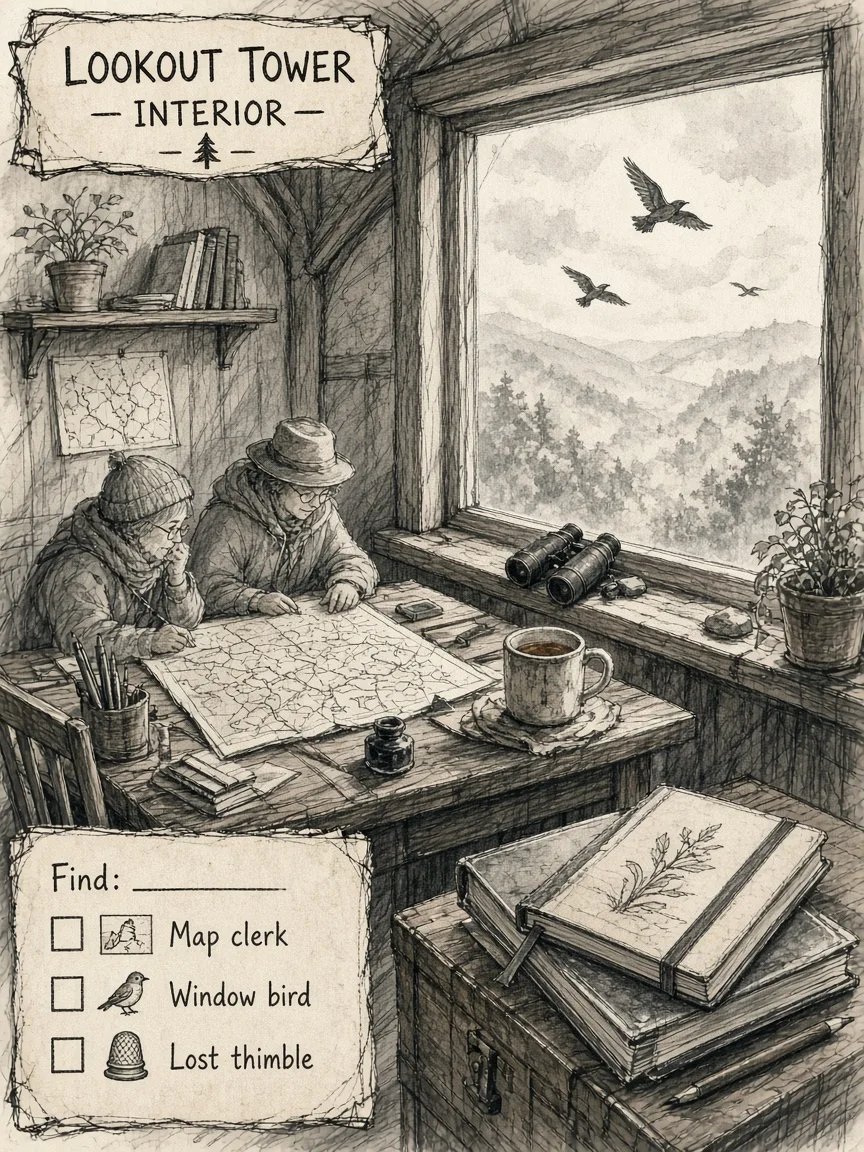
Hints without full spoilers
Guides keep the map readable.
Each area note covers the find list, interactive props, and where dense ink usually hides folk — enough to unstick you without listing every answer at once.
Open area guides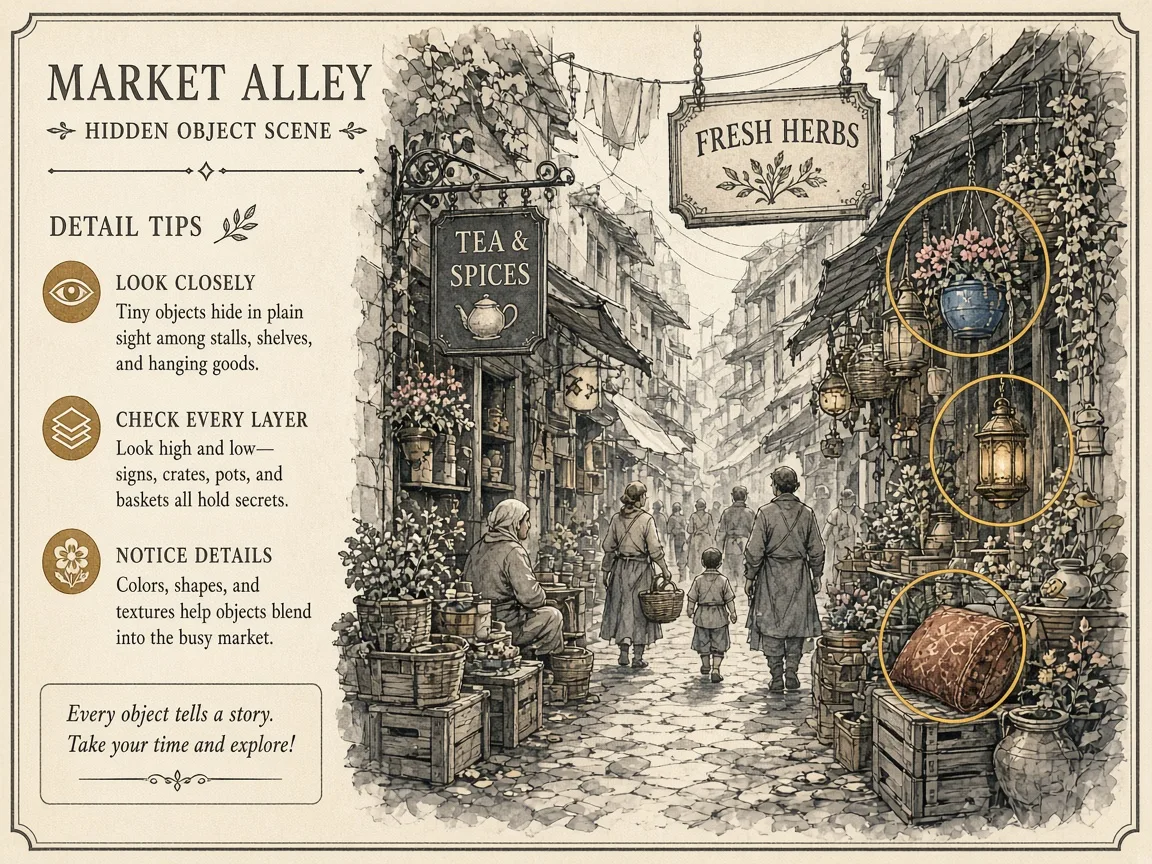
Illustration craft
How line weight steers your eye
Hatching, signboards, and stacked crates can look like people. Learn to separate texture from a real silhouette before you tap the wrong corner.
Open illustration notes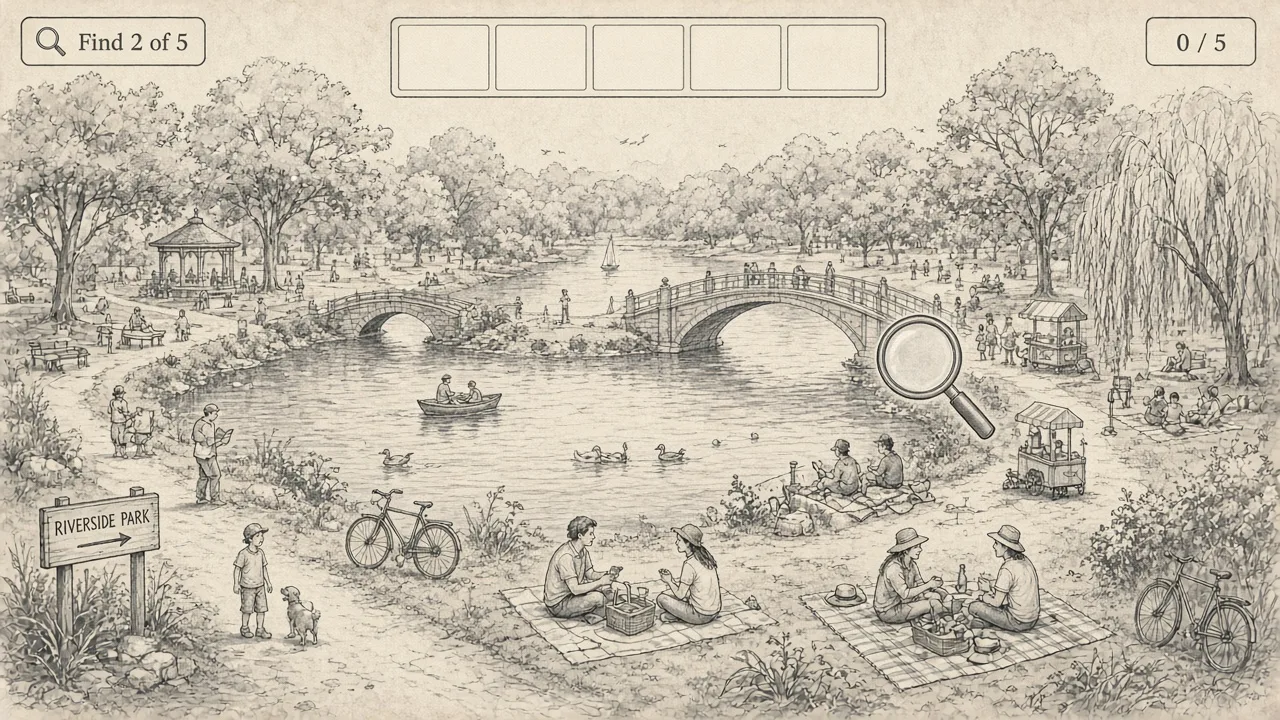
Gameplay highlights
What makes a Hidden Folks session click
Find-list focus
Each target is a silhouette clue, not a timer. List wording points to props, pets, or people — read it before you start random tapping.
Pan and pinch
Wide pans reveal clusters; pinch zooms confirm the detail. Keep that habit steady on a phone screen and misses drop quickly.
Quiet interactions
Some taps wake laundry lines, ducks, or lanterns. A few targets only appear after a prop moves, so leave time for a final interaction pass.
Scene progress
Clearing a list can open another pocket of the same map. Re-scan moved sheets, flipped lids, and newly lit corners before you leave.
Search method
Three passes before you call a scene done
First map sweep
Read the list, pan edge to edge, and note tall landmarks so you know where the drawing packs its folk.
Zoom for tells
Check hats, pets, tools, and doorways. Most misses sit one zoom level deeper than the first glance.
Tap the living bits
Try gentle interactions after the obvious finds — some targets only appear once a prop has moved.
Choose a path
Start with the stuck point you feel.
Need an area overview, a search rhythm, a tip for dense ink, or a note on how the drawing tricks the eye? Pick the page that matches what is blocking you.
Open FAQ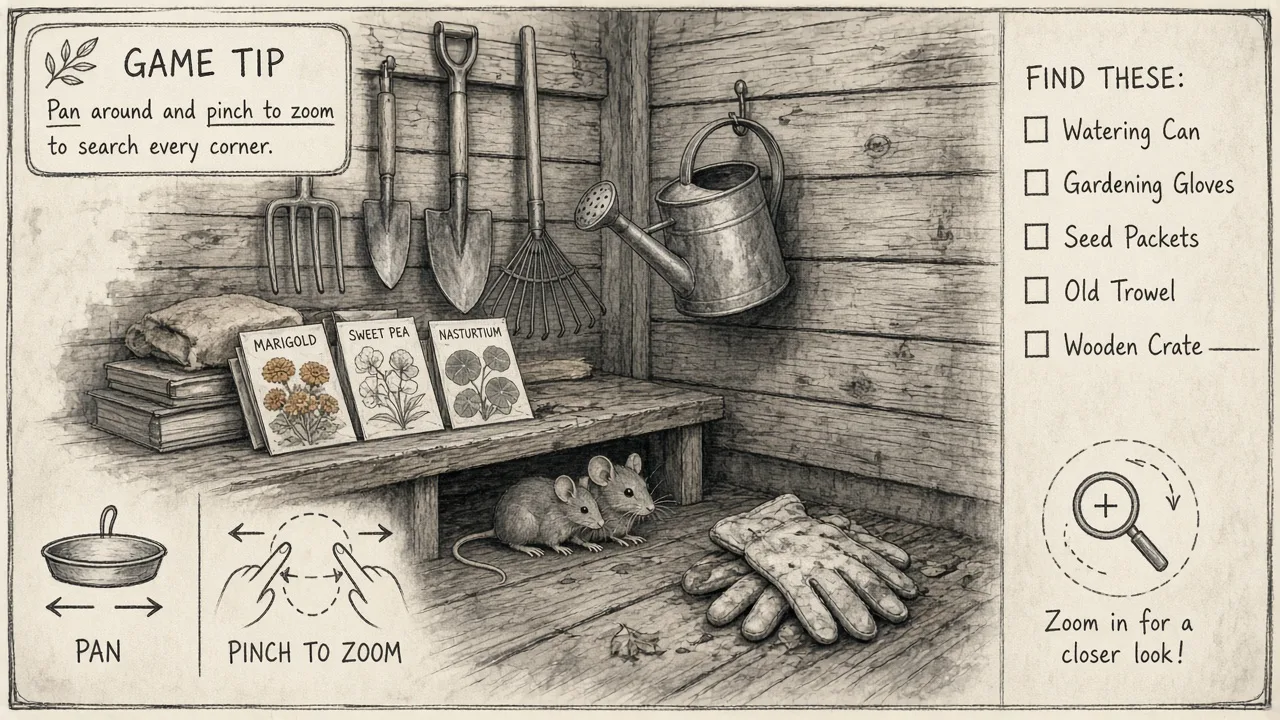
Session flow
The same map at three tempos
A scene can feel empty for a minute and then open up once you change zoom. Split the session so early guesses do not replace careful searching.
List read
Names, props, and pets on the find list; a quick pan to learn the map’s edges and skyline.
Cluster hunt
Sweep busy clusters, zoom on likely silhouettes, and leave empty margins for a later pass.
Interaction pass
Retap living props, recheck after small animations, and confirm the list is clear before leaving.
Between the first pan and the interaction pass is where most misses hide in Hidden Folks: a folk behind a moved sheet, a pet under a flipped crate, or a tell only visible at close zoom.
Open area guidesGuide topics
Four places to dig into the game
After a clear
When a scene changes after you finish a list
New pockets open, props move, and a second scan of the same paper often finds what the first pass missed.
Open area guidesStuck list
Habits that shrink miss streaks
Edge pans, silhouette checks, careful list reading, and knowing when to stop tapping at random.
Read lookout tipsInk craft
Line weight, clutter, and decoy shapes
Where hatching and signboards mimic folk — so you read the drawing instead of fighting it.
Review illustration notesFirst map
Settle into a calm opening
Read the list, set a comfortable zoom, try one interaction, then begin a patient edge-to-edge sweep.
Open area guidesQuick paths
Start from the question the map is asking
Some visitors want a whole-area overview. Others need one tip, one ink clue, or one search rhythm that explains the folk they keep missing.
See the area guides first
Go to the location table when you want find lists, interactions, and how a scene unfolds.
Open guidesOpen the lookout tips
Use tips when you need habits that recover finds without spoiling every silhouette on the page.
Check tipsFollow illustration notes
Compare line weight, clutter pockets, and decoy shapes before blaming the wrong corner of the map.
View illustration notesSend a note
Name the area, the find-list item, and what you already tried.
Little Lookout reads short messages about unclear tips, illustration wording, and guide corrections. No account credentials or personal saves are needed.
Open contact